
Six fields for future design inquiry.
The ADW Future Design Scholars Program welcomes ambitious research that expands how design is understood, practiced, taught, and shared with society.
The six areas provide an intellectual framework for the fellowship rather than fixed disciplinary boundaries. Proposals may focus on one area or connect several areas through an original, coherent research question.
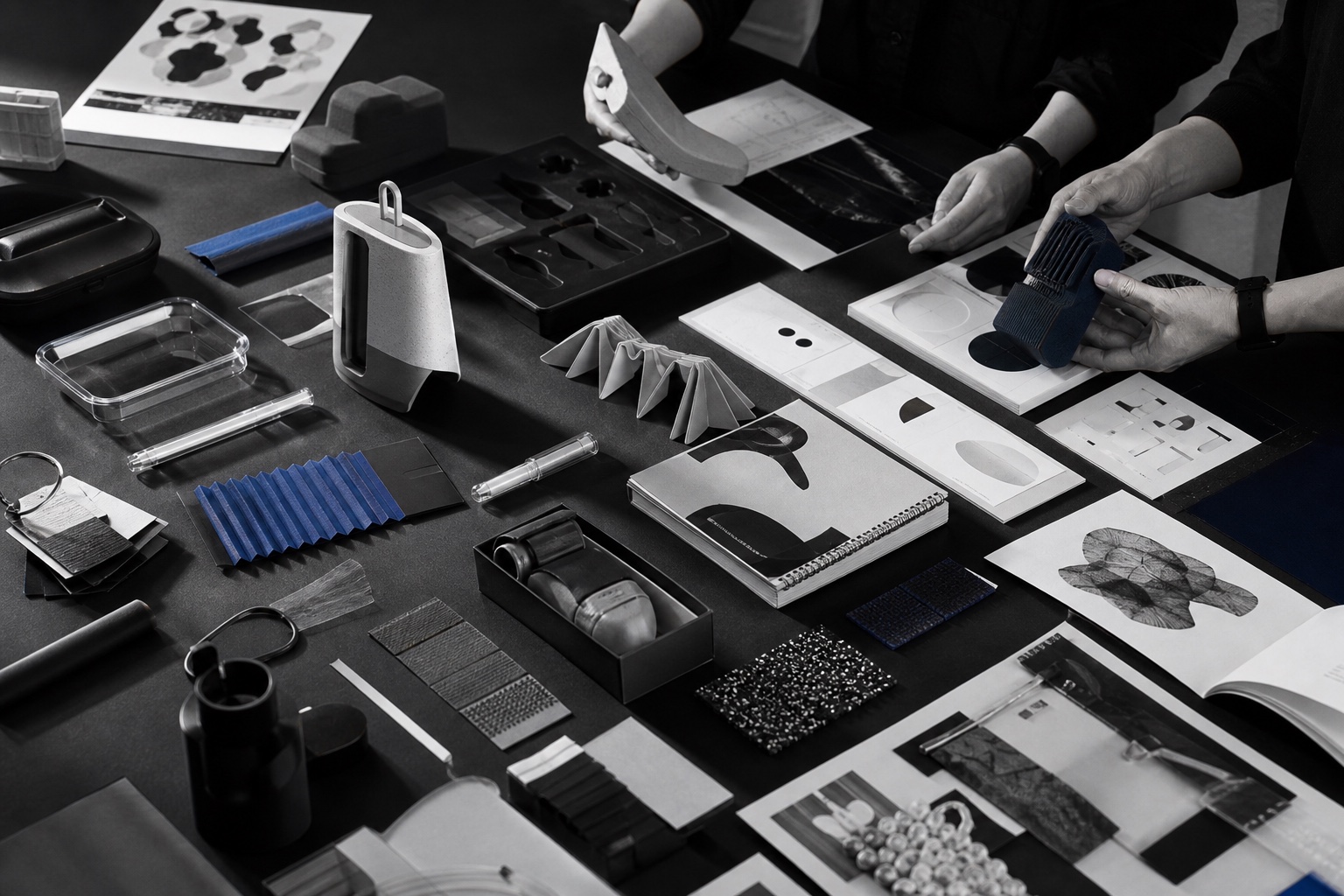
Reframing how design knowledge is produced and understood.
This area supports critical and foundational inquiry into design as a field of knowledge, a professional practice, a cultural force, and a form of public reasoning. It welcomes research that revisits design histories while developing concepts and methods for emerging social and technological conditions.
Vision
To strengthen the intellectual foundations of design and establish research frameworks that help scholars, educators, and practitioners address futures that cannot be understood through existing disciplinary models alone.
Possible outcomes Scholarly articles, critical essays, historical archives, curriculum models, methodological toolkits, theoretical frameworks, or public programs.
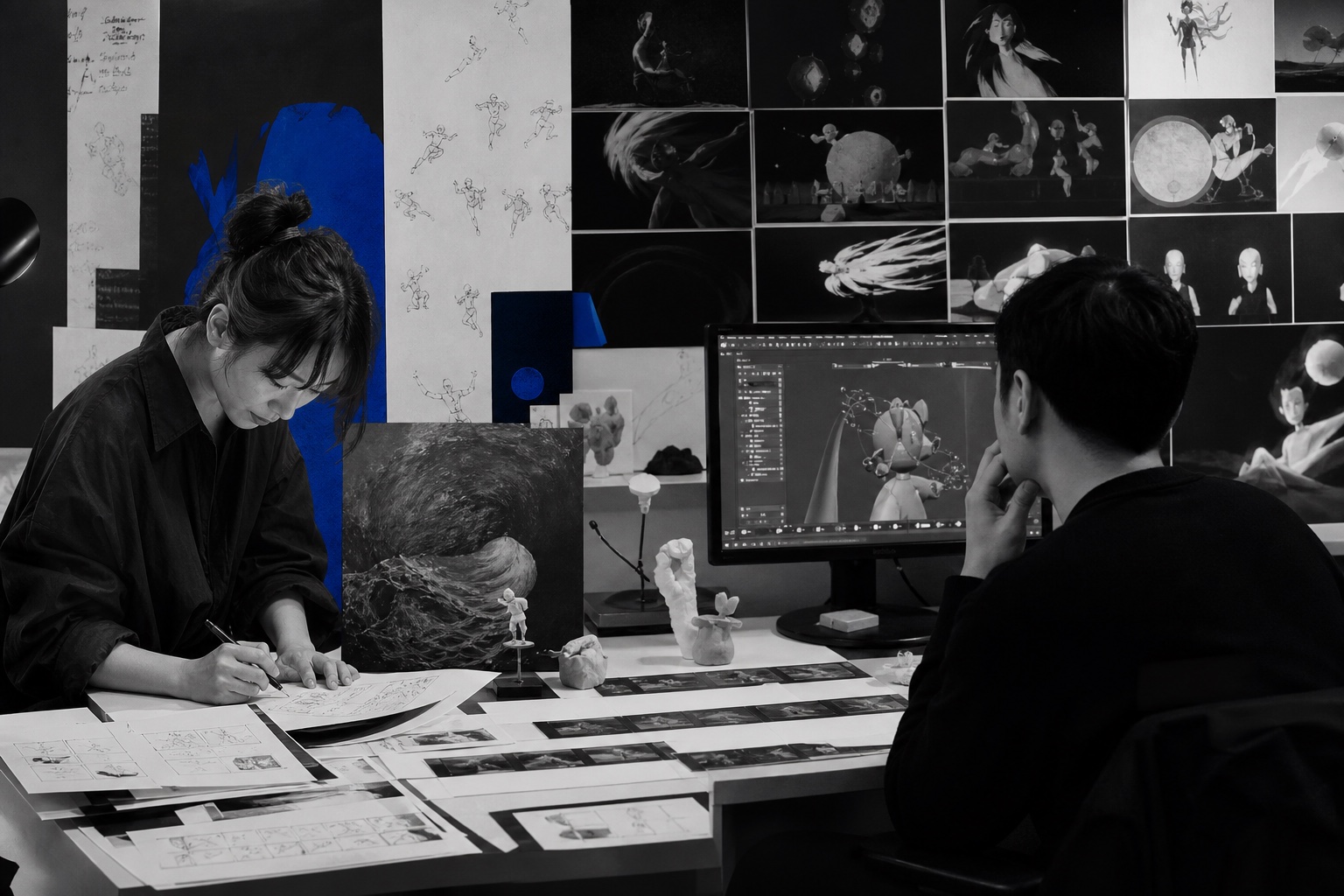
Developing responsible forms of intelligence for creative work.
This area investigates how human judgment, computational systems, and machine intelligence can work together across design research and practice. It places equal emphasis on creative possibility, explainability, authorship, labor, access, and the social consequences of intelligent tools.
Vision
To move beyond automation toward human-centered systems that expand creative agency, make design reasoning more legible, and support responsible collaboration between people and computational intelligence.
Possible outcomes Experimental tools, interaction protocols, datasets, creative works, evaluation frameworks, policy recommendations, or studies of emerging practice.
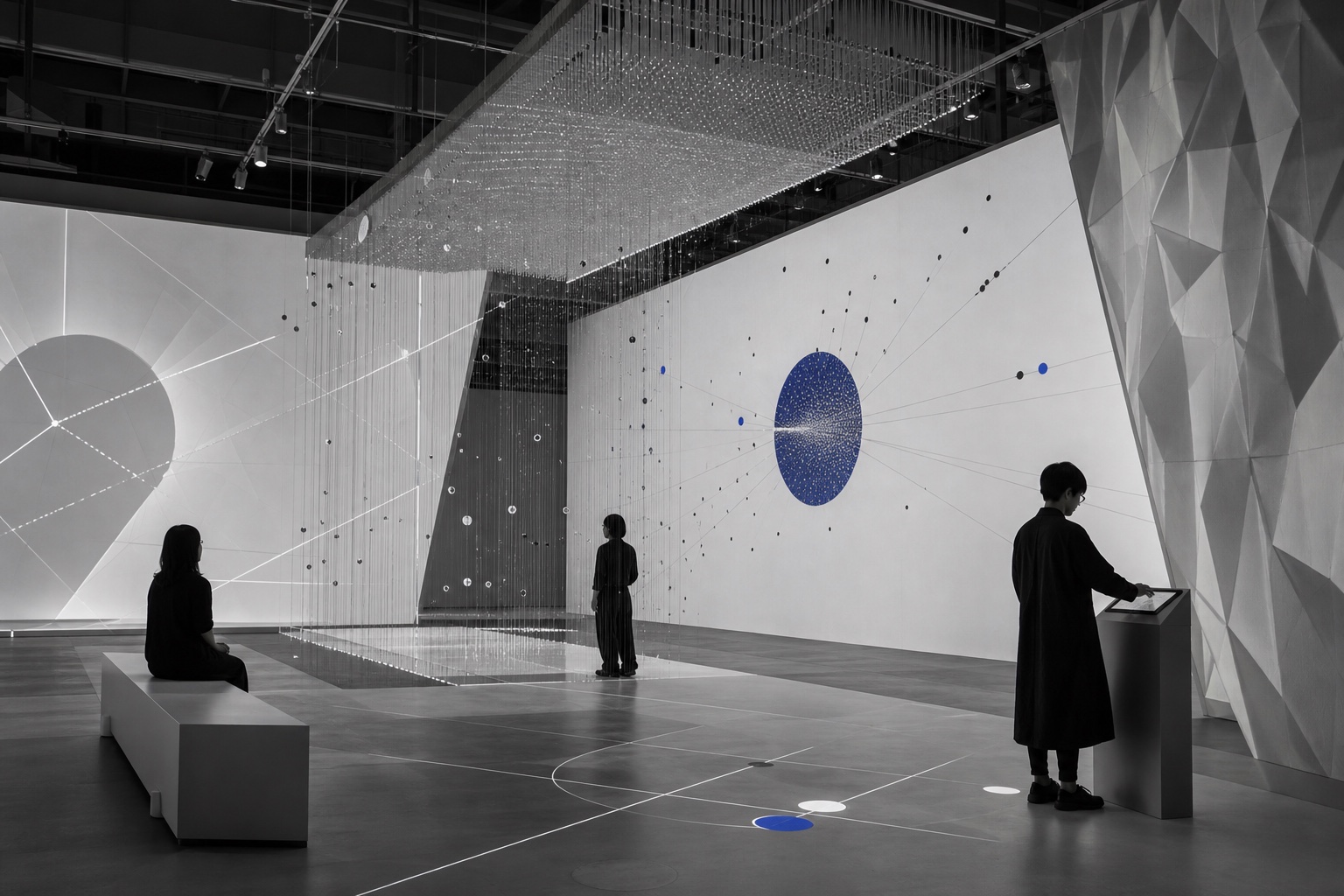
Designing meaningful relationships between people, media, and environments.
This area supports research at the intersection of interaction design, media art, spatial computing, digital culture, animation, sound, performance, and emerging interfaces. Projects may examine both the expressive potential and lived consequences of technology-mediated experience.
Vision
To create more embodied, inclusive, and culturally meaningful experience systems in which technology serves human attention, participation, imagination, and collective life.
Possible outcomes Interactive installations, interface prototypes, films, animations, immersive environments, experience evaluations, or critical media studies.
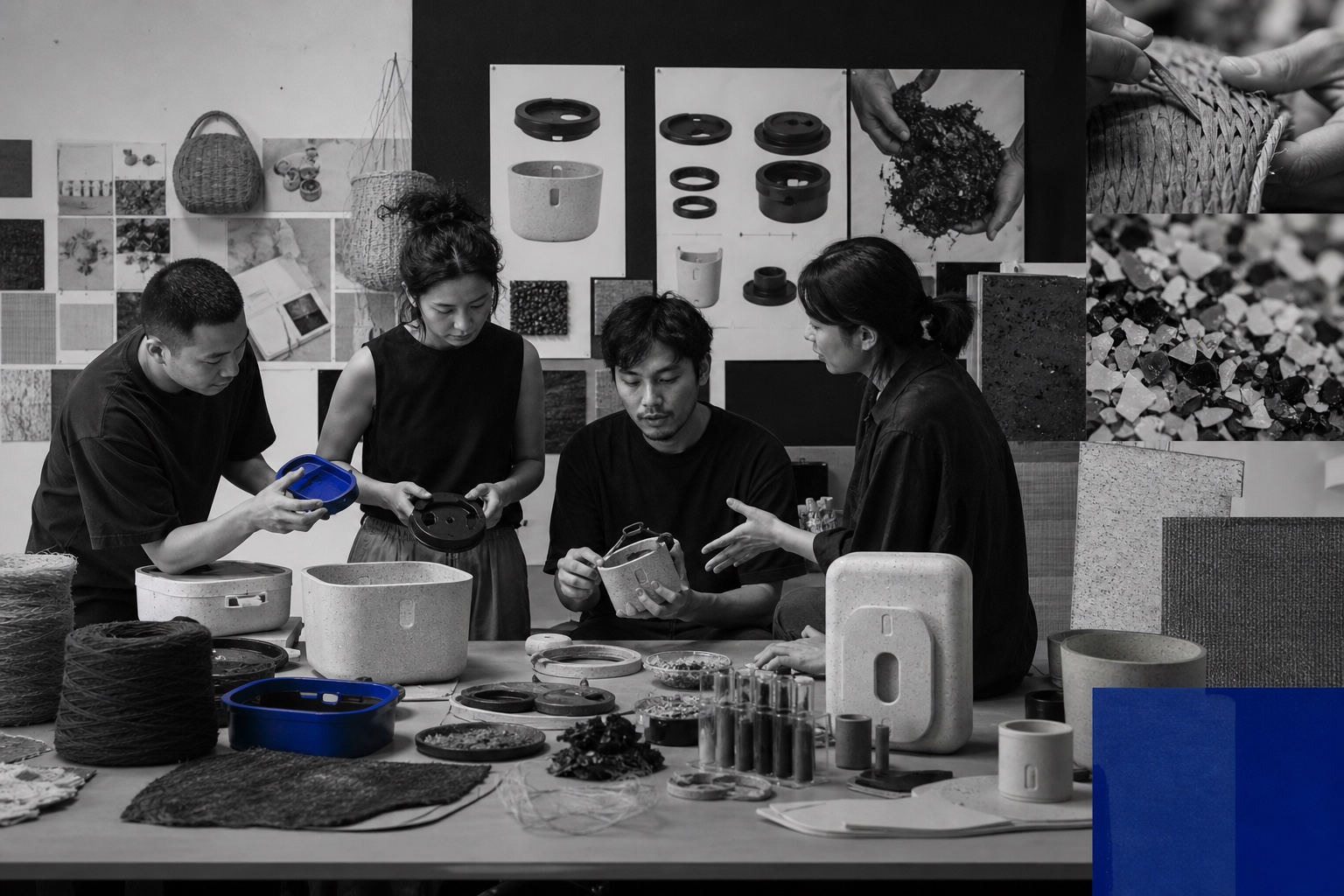
Advancing just and regenerative transitions through design.
This area welcomes research connecting environmental responsibility with social equity, public value, and long-term systems change. It includes material and product innovation as well as service design, community-led practice, public systems, and place-based approaches.
Vision
To support design research that reduces harm, strengthens community capability, and develops practical pathways toward circular, resilient, and socially just futures.
Possible outcomes Material experiments, product-service systems, transition strategies, community toolkits, impact frameworks, prototypes, or implementation studies.
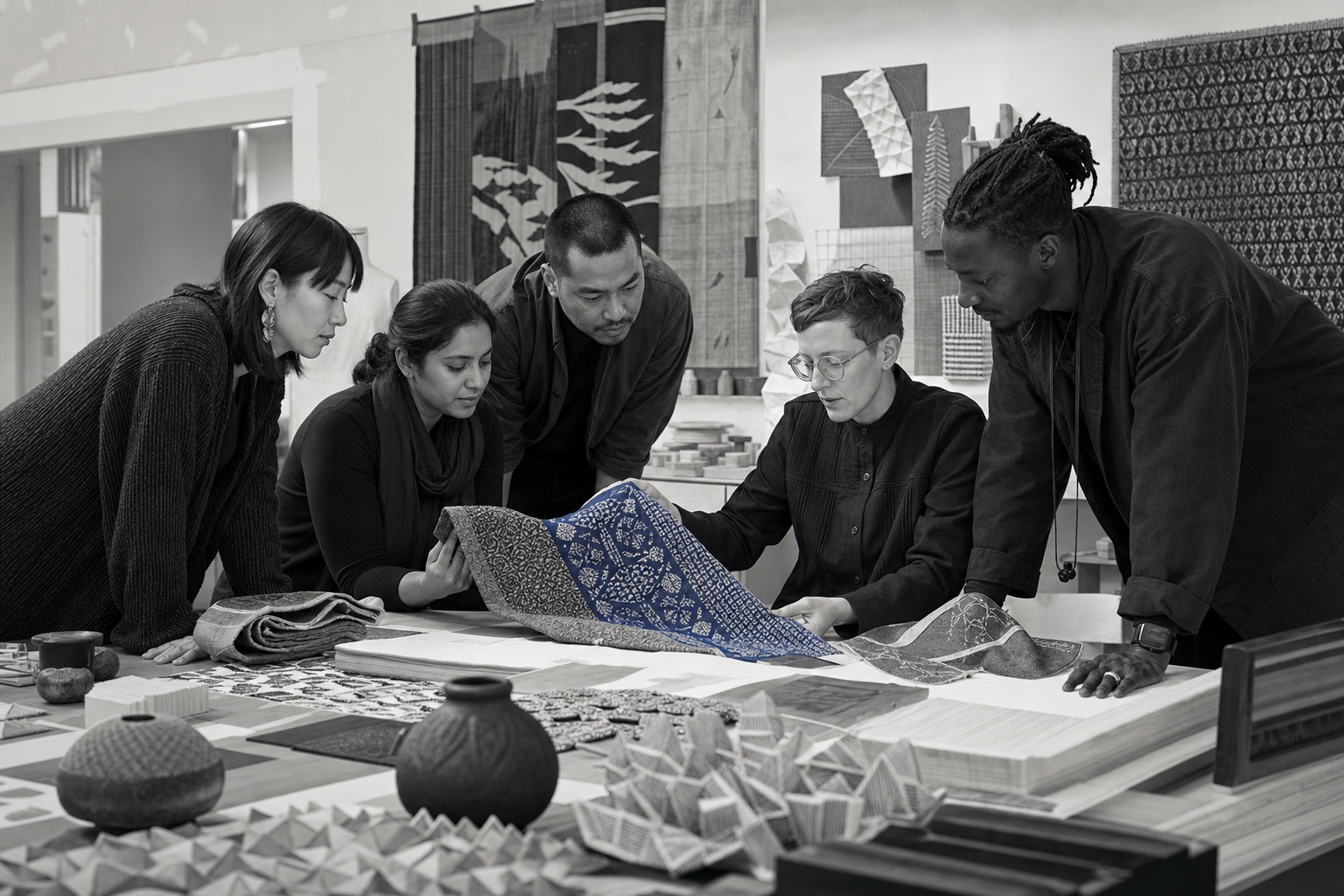
Enabling cultural knowledge to evolve through reciprocal exchange.
This area examines how design participates in cultural continuity, translation, representation, and exchange. It welcomes work across crafts, graphic communication, fashion, product design, visual culture, heritage, creative industries, and transnational collaboration.
Vision
To cultivate equitable forms of cultural creativity that respect knowledge holders, challenge extractive representation, and allow local traditions and contemporary practices to generate new shared futures.
Possible outcomes Co-designed collections, cultural archives, exhibitions, films, publications, community platforms, ethical collaboration models, or comparative research.
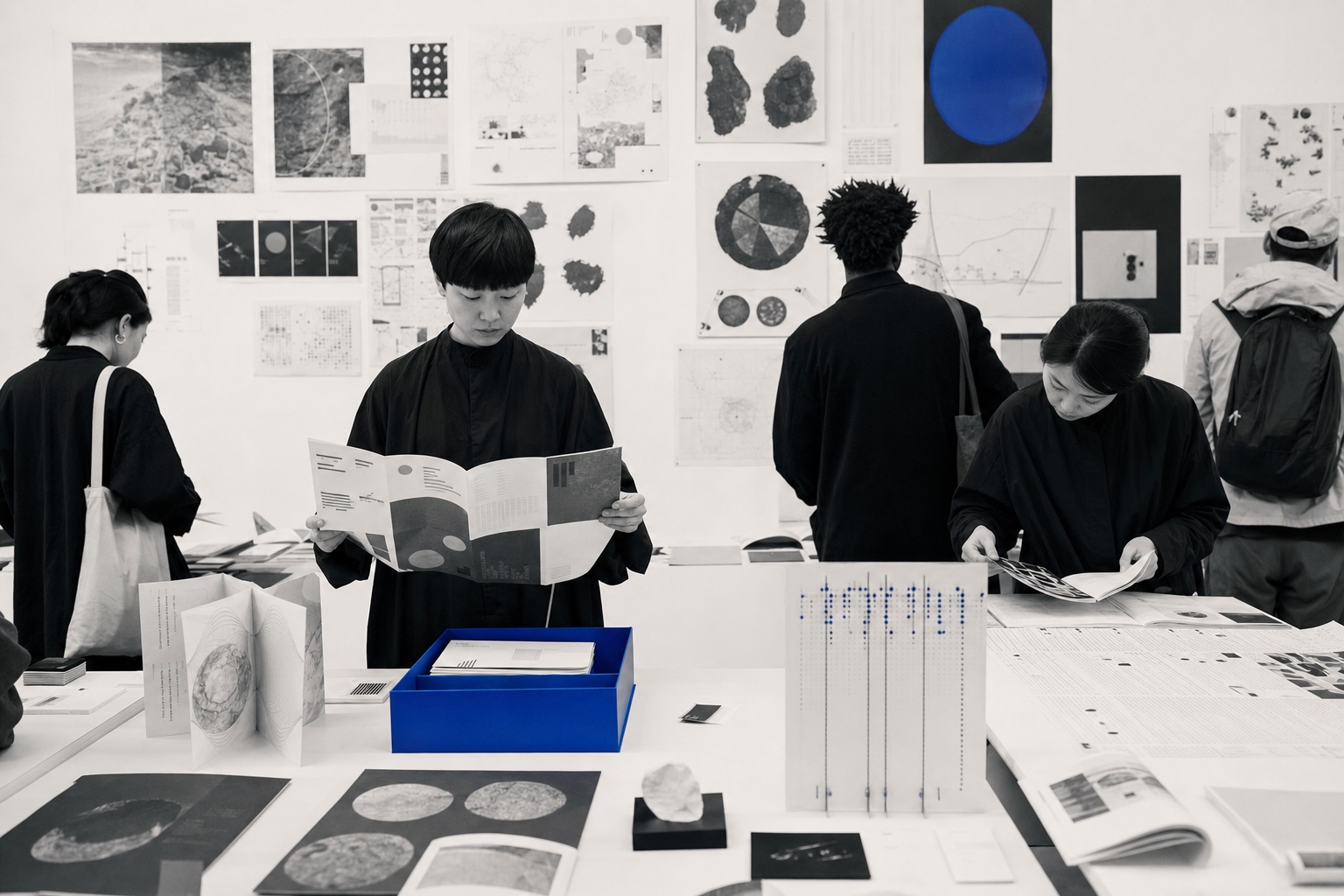
Making research tangible, testable, and accessible to wider publics.
This area supports practice-based research that uses prototypes, exhibitions, publishing, visualization, and public engagement as forms of inquiry. It recognizes that design knowledge can be produced through making and communicated beyond conventional academic formats.
Vision
To expand the public life of design scholarship by creating research outputs that invite scrutiny, participation, interpretation, and continued use by communities, institutions, educators, and practitioners.
Possible outcomes Functional or speculative prototypes, exhibitions, publications, films, open repositories, public workshops, datasets, or knowledge platforms.
Interdisciplinary proposals are encouraged.
Applicants are not expected to address every topic listed on this page. A strong proposal should define a clear research question, explain its relevance to one or more areas, identify an appropriate host environment, and describe how the work will contribute to design knowledge or public value.
View the 2026 Open Call